

As organizations grow and operations become more complex, managing business processes using spreadsheets and disconnected systems becomes increasingly difficult. Many businesses struggle with scattered information, inefficient workflows, and limited visibility into their operations.
Enterprise Resource Planning (ERP) systems are helping organizations overcome these challenges by integrating multiple business functions into a single platform. ERP solutions allow businesses to manage operations, finance, inventory, human resources, and customer relationships more efficiently.
In recent years, ERP adoption has grown rapidly as organizations seek better ways to manage data and improve operational efficiency.
What is an ERP System?
An ERP system is a centralized software platform that integrates different departments and processes within an organization. Instead of using separate systems for accounting, inventory, sales, and HR, ERP platforms allow organizations to manage these functions in one unified system.
This integration improves coordination between departments and enables real-time access to business data.
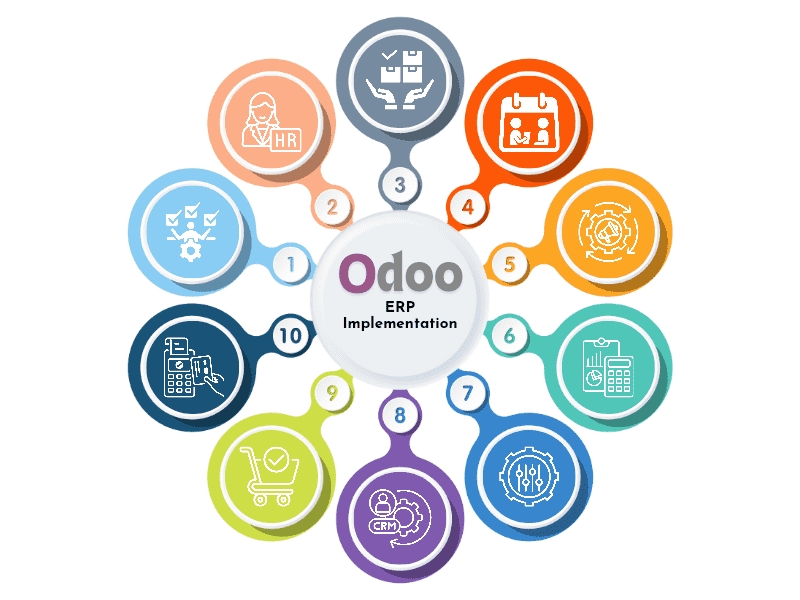
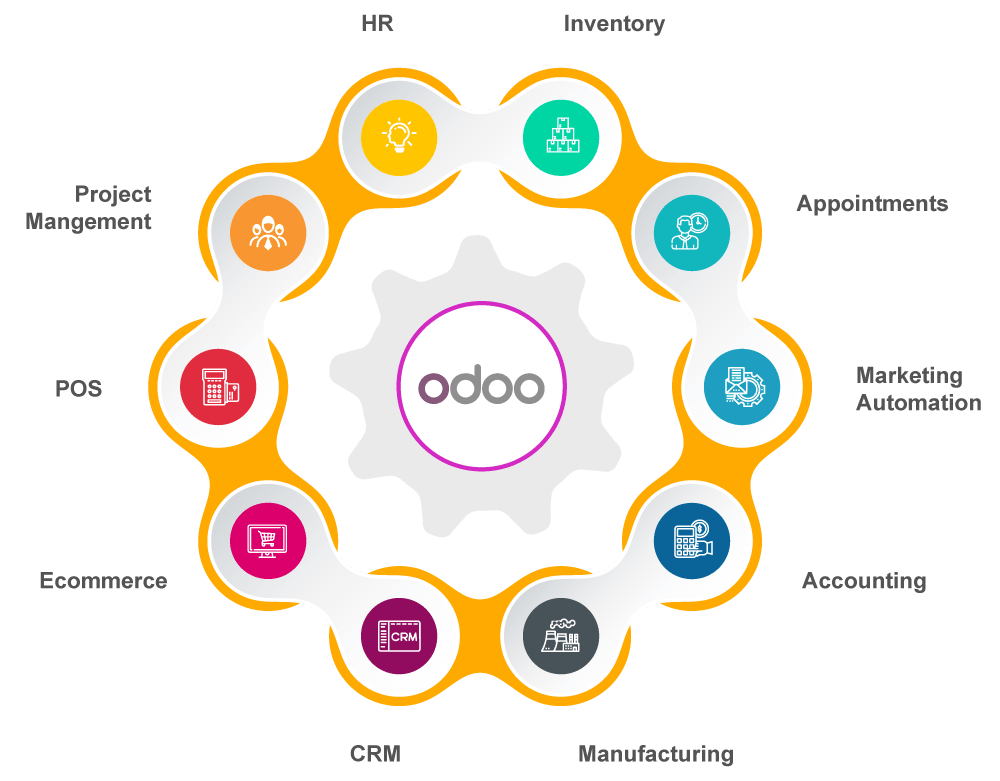
Popular ERP platforms include solutions such as Odoo, which offers flexible modules that can be customized to meet the needs of different industries.
Why Businesses Are Investing in ERP Systems
Organizations across industries are investing in ERP technology for several reasons.
Centralized Data Management
ERP systems store business data in a centralized database, ensuring that all departments work with accurate and up-to-date information.
Improved Operational Efficiency
By automating routine processes and reducing manual work, ERP systems help organizations operate more efficiently.
Better Decision Making
Real-time reporting and analytics allow managers to make informed decisions based on accurate data.
Scalable Business Infrastructure
ERP systems can grow with the organization. Businesses can add new modules or features as their operations expand.
Industries Benefiting from ERP Systems
ERP systems are widely used across many sectors including:
• Healthcare institutions
• Educational institutions
• Manufacturing companies
• Retail and distribution businesses
• Financial services organizations
• Government institutions
These systems help organizations manage operations more effectively while improving transparency and accountability.
ERP Implementation Challenges
Although ERP systems provide many benefits, successful implementation requires careful planning and technical expertise.
Organizations often face challenges such as:
• Selecting the right ERP platform
• Customizing the system to fit business workflows
• Integrating ERP with existing systems
• Training staff to use the system effectively
Working with experienced technology partners helps organizations overcome these challenges and ensure successful ERP deployment.
How Royce Technologies Supports ERP Implementation
Royce Technologies helps organizations implement and customize ERP systems that align with their operational needs.
Our services include:
• Odoo ERP implementation
• ERP customization and workflow automation
• Integration with other business systems
• Training and ongoing technical support
By providing tailored ERP solutions, Royce Technologies helps organizations improve efficiency and gain better control over their operations.
Conclusion
ERP systems are becoming essential tools for modern organizations seeking to improve efficiency, manage data effectively, and support long-term growth.
As businesses continue to embrace digital transformation, ERP platforms will play a central role in enabling smarter and more connected operations.
Royce Technologies supports organizations in implementing reliable ERP solutions that help them operate more efficiently and adapt to the demands of today’s digital economy.