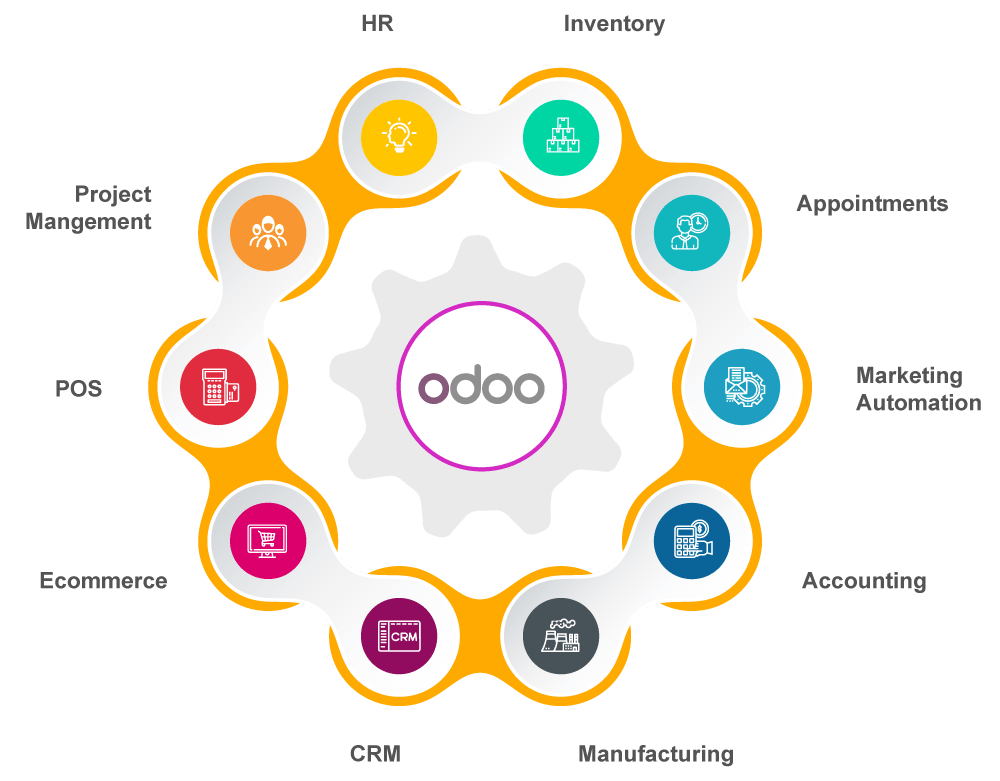

Many organizations rely on multiple software systems to manage different aspects of their operations. For example, a business might use one system for accounting, another for customer management, and another for communication.
While these systems serve important roles, they often operate independently. This lack of connection can lead to duplicated work, inconsistent data, and inefficient processes.
Systems integration solves this challenge by connecting different platforms and enabling them to work together seamlessly.
The Problem with Disconnected Systems
When systems are not integrated, organizations often face several operational challenges.
Manual Data Entry
Employees are forced to transfer information manually between systems. This process takes time and increases the risk of errors.
Data Inconsistency
When data is stored in multiple systems without synchronization, different departments may rely on outdated or incorrect information.
Inefficient Workflows
Without automation between systems, organizations must rely on manual processes to complete routine tasks.
What Systems Integration Does
Systems integration connects software platforms so they can exchange data automatically.
This means that when information is updated in one system, the change is reflected across all connected platforms.
For example, when a new customer registers in a system, their information can automatically be recorded in the CRM, ERP system, and communication platform without manual intervention.
Examples of Systems Integration in Business
Many organizations benefit from integrating their systems to automate daily operations.
ERP and SMS Integration
Organizations can automatically send SMS notifications to customers when transactions occur or appointments are scheduled.
CRM and Marketing Integration
Customer information stored in CRM systems can be used to automate communication campaigns and personalized messages.
Website and Business Systems
Websites can be integrated with internal systems so that customer data, applications, or service requests are processed automatically.
Benefits of Systems Integration
Increased Productivity
Automated data flow eliminates repetitive tasks and allows employees to focus on higher-value activities.
Improved Accuracy
Automated synchronization between systems reduces human errors and ensures consistent data.
Better Customer Experience
Integrated systems allow organizations to respond faster and provide more reliable services to customers.
Scalable Technology Infrastructure
As businesses grow, integrated systems provide a foundation that supports expansion and new digital services.
Royce Technologies Systems Integration Solutions
Royce Technologies helps organizations connect their digital systems and build efficient automated workflows.
Our systems integration services include:
• ERP system integrations
• Communication platform integration
• API development and connectivity
• Payment gateway integrations
• CRM and business application integration
We design reliable integrations that ensure your systems work together smoothly and support your operational needs.
Conclusion
Systems integration plays a critical role in modern digital transformation. By connecting different business systems, organizations can eliminate inefficiencies, improve data accuracy, and automate processes.
Businesses that implement effective integration strategies are better equipped to adapt to changing technology and market demands.
Royce Technologies provides the expertise needed to design and implement integration solutions that improve operational efficiency and support long-term growth.